Dreams about being chased: what they can point to
Being chased is one of the most common dreams there is. Why the mind might stage a chase, and what your pursuer, your feelings and the way you move can point to.
Something is behind you
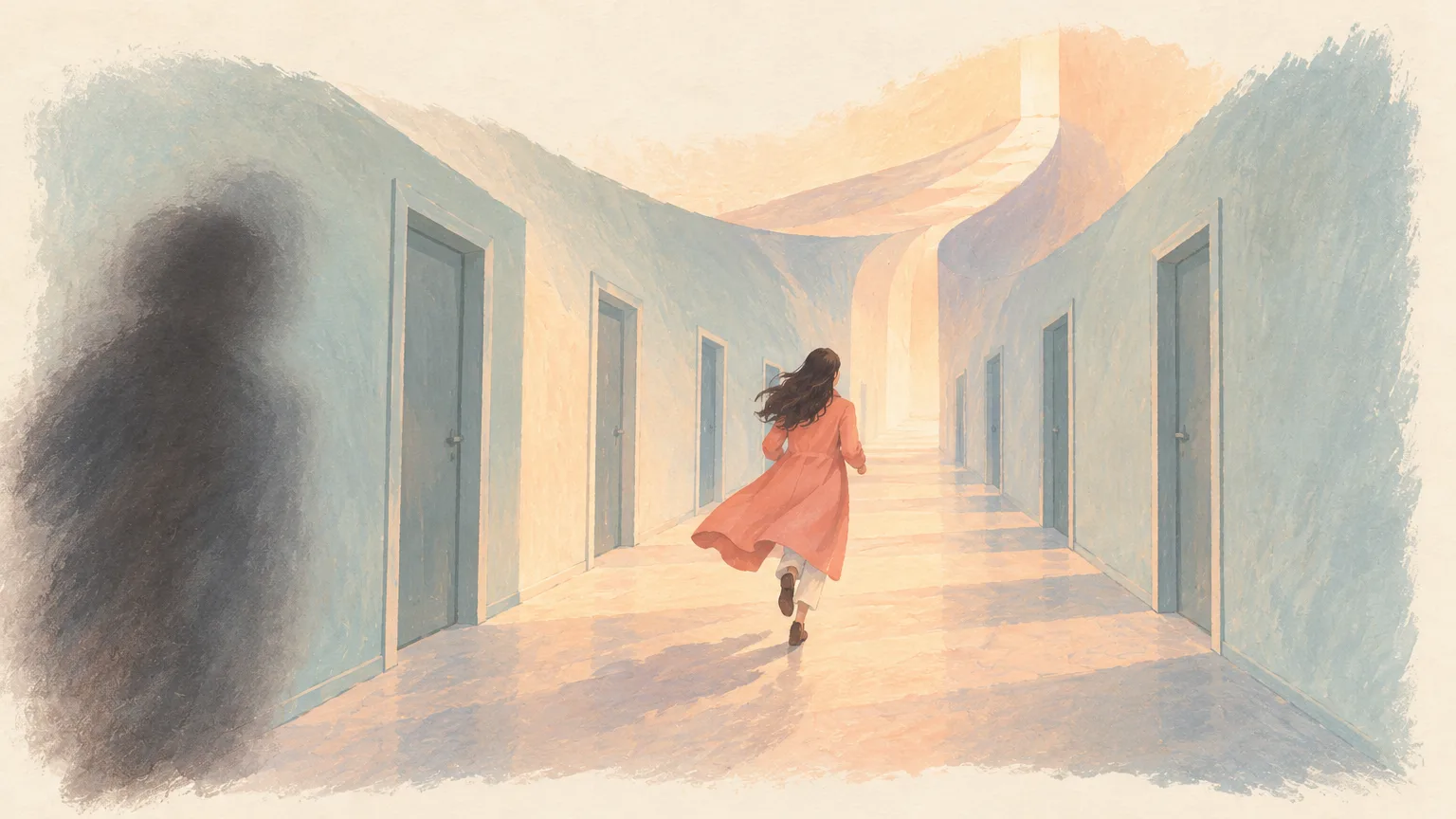
You are running, and you do not quite know why. There are footsteps, or a shape, or only the certainty that something is closing in. Your legs feel heavy. The corridor goes on longer than it should.
Then you wake, heart still racing, in a room where nothing is chasing anyone.
If that dream visited you recently, it is worth a second look. Not to find a villain, but to notice what the chase was like for you.
One of the most common dreams
You are far from alone in this one. In a survey of more than a thousand university students, being chased without being hurt was the most common dream theme on their list: about four in five said they had dreamed it at least once. It was also the dream they most often named as the earliest they could remember.
Researchers who code dreams in detail have noticed a related pattern. When a dream involves some kind of aggression and the dreamer is part of it, the dreamer is more often on the receiving end than the one doing it. In a large collection of women's dream reports that researchers use as a benchmark, the dreamer was on the receiving end in about two of every three of those moments.
So a chase dream does not mean something is wrong with you. It is one of the most familiar shapes a dream can take.
Why the mind might stage a chase
One idea is that dreams give us a safe place to rehearse danger: to notice a threat and practise getting away from it. It is a theory, not a proven fact, but it would explain why being pursued turns up so often.
Another clue comes from everyday life. In one study, people wrote down their day and their dreams. Those whose day included a difficult experience with other people were more likely to report a dream of being chased.
That does not make every pursuer a person you know. But it suggests the chase can borrow its energy from waking pressure, even pressure that looks small from the outside.
What your chase can point to
The details are where your dream becomes yours. A few questions can help you look at them.
What was behind you? A stranger, an animal, a crowd, a shadow, someone from your life, or nothing you could see at all. Sometimes the shape matters. Often the feeling it brought matters more.
How did it feel? Hunted, judged, cornered, exposed or simply overwhelmed. Each one can point somewhere different. Being judged is not the same as being outnumbered.

How were you moving? Were your legs slow, as if the floor had turned to sand? Were you hiding, protecting someone, or trying to finish one more task before it caught up? The way you move in a chase dream can echo the way you tend to cope when things press in.
Where were you trying to get to? A door, a home, a person, or just away. What you run towards can say as much as what you run from.
Then you can ask the waking question: is there something in your life right now that feels as if it is always just behind you? You could write down the feeling first, then see whether it reminds you of anything from the day before.
When the chase starts changing
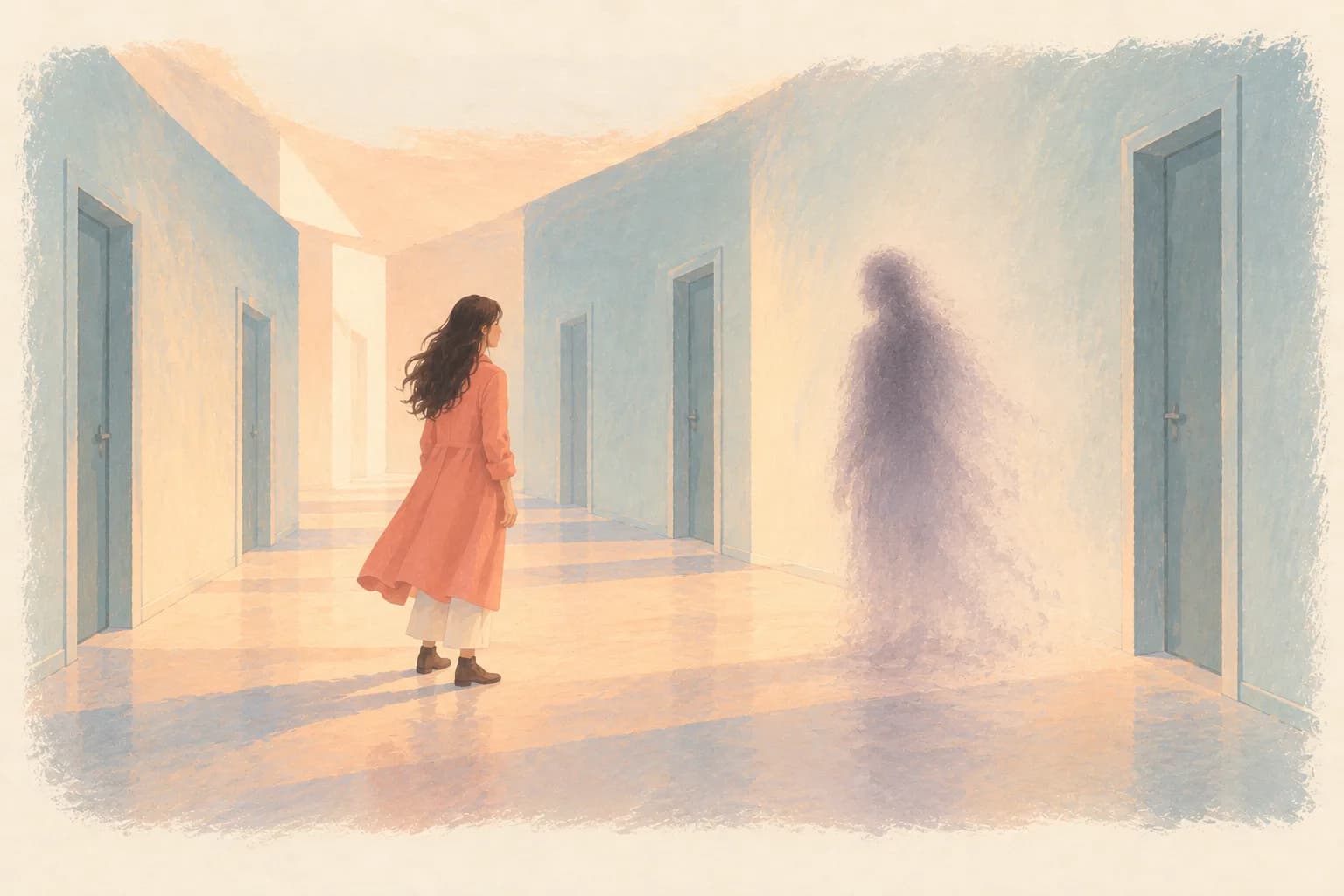
Chase dreams do not always stay the same. Some nights you might find a door, see the pursuer more clearly, slow down, or speak. You might even turn around.
If your dream has started to shift, what changed first? Did the pursuer grow smaller, or did you grow steadier? A change in the dream can be worth noticing, even before anything has changed in your days.
If chase dreams return often as nightmares, or leave you frightened long after you wake, a doctor or sleep specialist can help. Nightmares often respond well to treatment.
Your own chase
Every chase dream is a little different, and the difference is the interesting part. The pursuer, the place, the way your body moved: any of these might offer a clue to what was on your mind.
Think back to your last chase dream. What do you remember most clearly: what was behind you, or where you were trying to go?